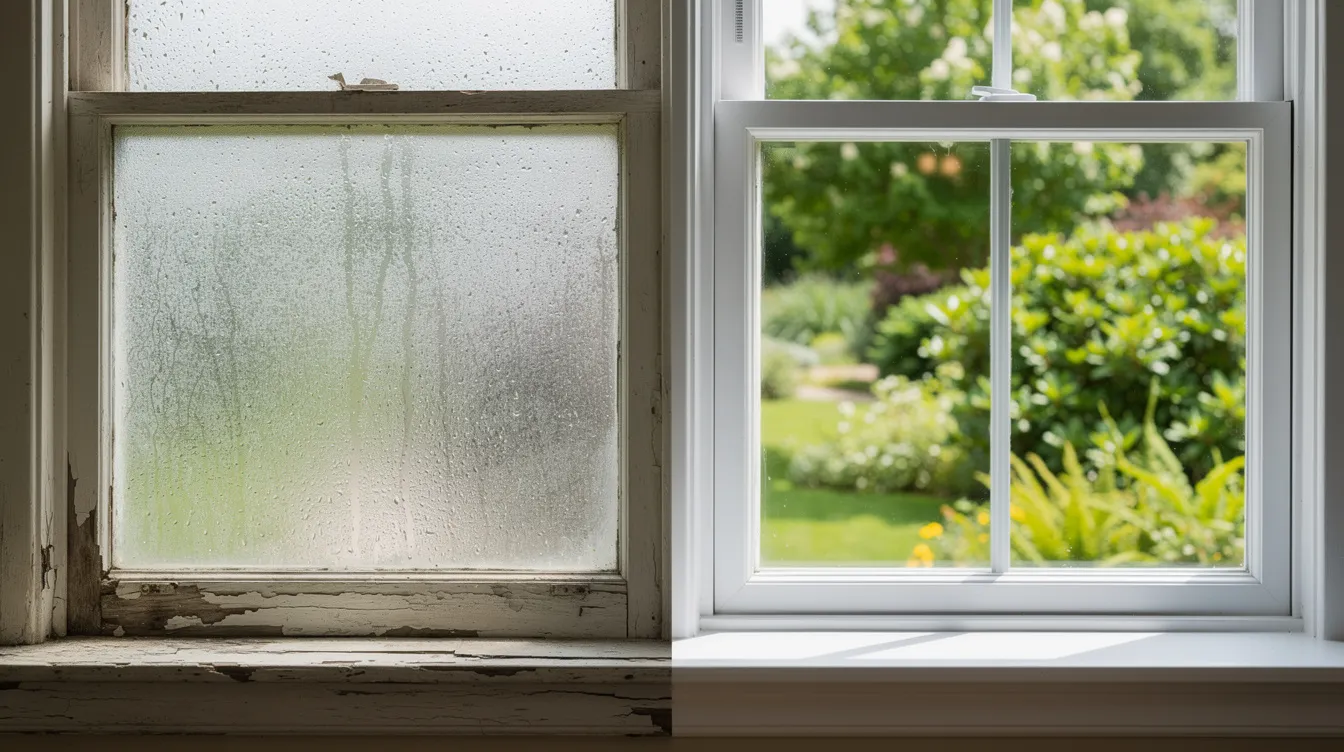
Let's start with a number that might surprise you: the U.S. Department of Energy estimates that heat gain and heat loss through windows accounts for 25–30% of residential heating and cooling energy use. That's not a small leak — that's a quarter of your utility bill, potentially escaping through frames and glass you haven't thought about in years.
The problem is that window deterioration is slow and gradual. It doesn't announce itself with a leak or a blown fuse. It just… happens quietly, month by month, until your energy bills have crept up so steadily you've forgotten what normal looked like.
I've spent the last two years researching home energy efficiency for this publication, and window replacement keeps coming up as one of the highest-impact, most-overlooked upgrades homeowners can make. So I put together this guide: five concrete signs your windows are overdue — and what to do about it.
Quick Check Before You Read Further
Touch the interior glass surface of your windows on a cold morning. If it feels noticeably cold or you can feel air movement near the edges, you're likely losing conditioned air — and money — every day.
1 Your Energy Bills Keep Climbing for No Clear Reason
If your heating and cooling bills have risen 15–30% over the past few years but your appliances and habits haven't changed significantly, your windows are a prime suspect. As seals age and glass loses its insulating properties, your HVAC system compensates by running longer cycles.
The fix isn't to upgrade your HVAC — it's to fix the hole. Modern triple-pane windows with Low-E coating and argon gas fill act as a genuine thermal barrier, keeping conditioned air inside where you paid for it to be.
2 You Feel Drafts Near the Window Frame
Run your hand slowly around the perimeter of your closed windows on a windy day. Feel any air movement? That's outside weather bypassing your window entirely. This is a classic sign of weatherstripping failure, aged caulk, or a warped frame — all of which worsen over time.
Industry note: A gap of just 1/16 inch around a window perimeter can let in as much cold air as leaving a window cracked open all winter long.
Drafts also mean your home's humidity balance is being disrupted, which increases wear on wood trim, furniture, and flooring — costs that rarely get attributed back to the windows causing them.
3 There's Fog or Moisture Between the Panes
If you have double-pane windows and notice a cloudy, foggy, or streaky appearance between the glass layers that won't wipe off — that's a failed seal. The insulating gas (usually argon or krypton) has escaped and been replaced by humid air, which condenses on the inner glass surfaces.
A failed seal means your insulated glass unit (IGU) is now essentially performing like a single pane. You're paying for double-pane performance but getting single-pane results. The seal can't be repaired cost-effectively — the glass unit needs to be replaced.
4 Outside Noise Seems Louder Than It Used To Be
Your windows are also your primary acoustic barrier. Single-pane glass and compromised seals do very little to block sound waves. If traffic, neighbors, and yard noise are intruding more than you'd like — or more than they used to — your windows' acoustic performance has likely degraded.
Modern triple-pane windows with laminated or acoustic glass can reduce outside noise dramatically. Homeowners who upgrade frequently describe it as "the house going silent" — it's that noticeable.
5 Your Windows Are Difficult or Impossible to Open
Wood frames swell, warp, and rot. Vinyl frames deteriorate. Hardware corrodes. If you have windows you avoid opening because they stick, jam, scrape, or won't lock properly — those are safety risks, not just minor inconveniences. A window that won't open easily also can't serve as an emergency egress exit.
Beyond safety, a window that won't seal correctly when closed is a continuous energy drain. Operational failure is usually the last stage before complete failure — don't wait for that to happen.
So What's the Right Move?
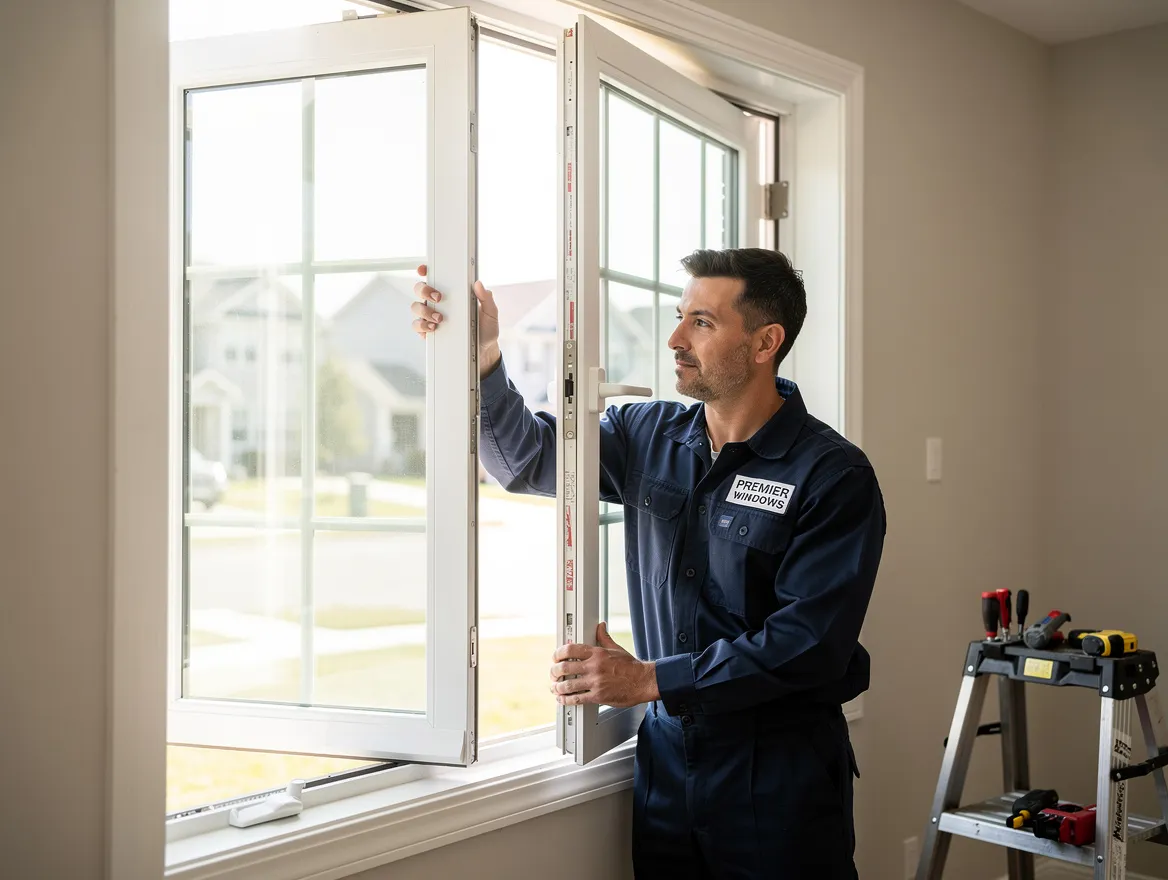
If you checked two or more of the boxes above, it's worth getting a professional assessment. A reputable window company will measure your windows, test for air leakage, and give you a realistic picture of what replacement would cost — without any obligation to buy.
The company that's come up most consistently in my research conversations with homeowners is PrimeView Windows. They specialize in energy-efficient triple-pane vinyl window replacement and installation — and unlike a lot of companies in this space, they're known for transparent, no-pressure estimates.
I asked a homeowner in Columbus, Ohio — Margaret, who replaced 10 windows last fall — what her experience was like:
PrimeView is currently offering free in-home estimates with no obligation — and they're booking appointments for this month, though spots fill up quickly. If you're curious what new windows would cost for your specific home, it takes about 60 seconds to request a time.
Before You Call Anyone — Do This First
Whatever company you end up working with, get at least two quotes. Know your window count before anyone arrives (walk through and count — include basement windows). Ask specifically about ENERGY STAR certification, the gas fill used, and the glass package's Solar Heat Gain Coefficient (SHGC) rating for your climate zone.
And remember: the cheapest quote is rarely the best value in home improvement. Focus on the warranty, the installer's track record, and whether the glass package actually matches your climate needs.
If you're in a colder climate (Zones 4–7), prioritize U-factor (lower is better for heat retention). In warmer climates (Zones 1–3), prioritize a lower SHGC to block solar heat gain. A good advisor will walk you through this — it shouldn't require you to become an expert before getting help.

The fog between the panes sign is so real. We had that for 2 years thinking it would clear up. Got PrimeView out last spring and it made a massive difference. Didn't realize how much the old glass was hurting us until it was gone.